One day, my young grandson asked me what kind of doctor I am. I’m a clinical psychologist, but he was just a little boy, so I simply replied, “I’m the kind of doctor who helps sad people feel happy.” He looked at me and said, “Zaidy [that’s ‘Grandpa’ in Yiddish], that’s not being a doctor, that’s just being nice!”
That’s a cute story, but I want to tell you something: the better part of therapy is “being nice.” I know a lot of psychology, and I’m trained to diagnose and treat problems ranging from occasional anxiety to relationship problems to serious mental illness. My research on suicide has even been published in the leading peer-reviewed journal in its field. But if I didn’t respect each person I work with, if I didn’t view every individual with complete acceptance and unconditional positive regard, all of that would be worthless, because no one would listen to me.
Fortunately, I do have years of experience compassionately listening to people and really hearing them. I’d be glad to do the same for you.
My approach to therapy

One thing I’ve learned over the years is that there’s no “one size fits all” in psychotherapy, because every person has their own personality and life experience. I respect that, so I’ve put in a lot of time learning a diverse range of therapeutic approaches. That way, I can tailor my approach to your particular needs.
More specifically, it’s often said there have been three broad “waves,” or trends, in psychotherapy. Specific forms of therapy, such as CBT (Cognitive Behavioral Therapy), DBT (Dialectical Behavior Therapy), or IFS (Internal Family Systems therapy), can usually be classified as being within one of these three broad categories. The three categories are:
1. The psychoanalytic or psychodynamic approach seeks to uncover the unconscious effects of early life experience on our present-day functioning.
2. Its antithesis, the behaviorist approach, rejects the unconscious entirely and posits that we act a certain way because we’ve learned it leads to positive outcomes, and we avoid acting another way because we’ve learned it leads to negative outcomes.
3. A third approach incorporates experiential and mindfulness elements and includes therapies like MBSR (Mindfulness-Based Stress Reduction) and ACT (Acceptance and Commitment Therapy).
There are also specific techniques I would not call theories of psychotherapy in their own right but are more like powerful tools to help the therapy succeed. EMDR (Eye Movement Desensitization and Reprocessing), EFT (the Emotional Freedom Technique or “tapping”), and specialized approaches such as art therapy are examples.
Depending on the person and the circumstances, I have found methods from all these areas helpful in the past. The bottom line is, I’m always seeking to broaden and deepen my knowledge so I can either provide what you need myself or, if outside my area of expertise, at least recognize the best approach and refer you to a qualified colleague.
Whom do I treat?
I confess there are areas in which I am not at all knowledgeable. For example, from a therapeutic standpoint, I know nothing about children. I know nothing about addictions. And I’m sure I could name many others. But I do see people with a wide range of issues, from a mild sense of anxiety to serious mental illness. And I also see couples. Many people have relationship difficulties, whether due to communication problems, the stresses of daily living, or personal challenges. My goal is to help the couple recognize bad patterns that may have crept into their relationship and replace these with new ways of being together that allow harmony, love, and joy back into their lives.
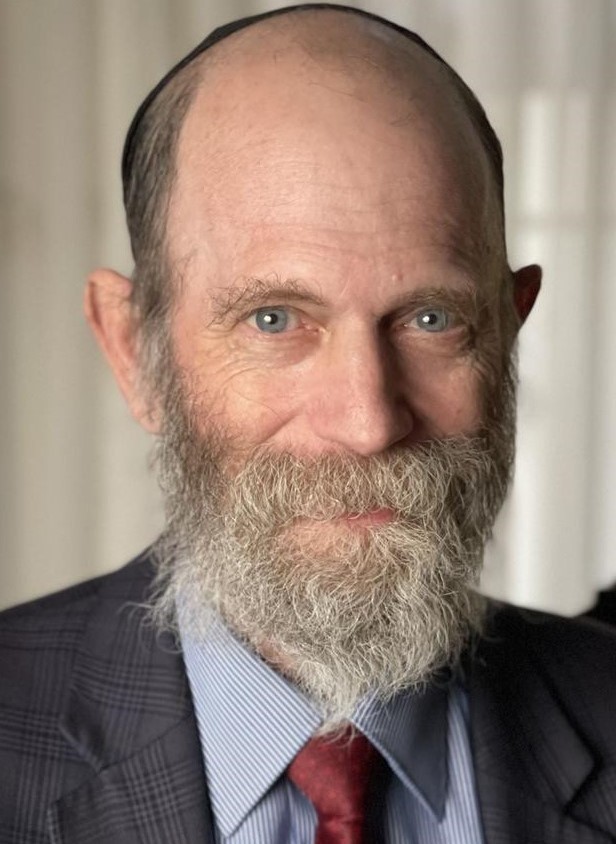
On a personal note, I welcome people from all backgrounds. As you may be able to tell from my photograph, I’m a Chassidic Jew, so naturally I see some people from that community because they feel comfortable with me. But I consider myself blessed that my practice includes people from various races, religions, national origins, and so on. After all, we are all fundamentally the same, we humans: we all love, we all fear, we all hurt, we all hope. No matter who you are or where you’re from…I’m here for you.
What you can expect from our sessions
When you come to work with me, we’ll spend the first session or two getting to know one another and for you to tell me what’s going on and what your goals are for the therapy. Then, together, we can come up with a strategy that seems like a logical plan for our sessions. Whatever approach we take, you can always expect me to respect you and accept you unconditionally and without judgment, and to conduct the therapy based on your own goals and what you feel ready for and open to.
Ready to get started? Click here to schedule a free 15-minute phone consultation: